Can a Room Make You Smarter?
How Acoustics Shape Communication and Learning
What You’ll Learn in This Article
- The Hidden Impact of Noise on Learning: How untreated room acoustics cause students to miss up to 1 in 4 words and drain their working memory capacity
- The Physics of Sound in Modern Spaces: Why hard reflective surfaces trigger the “Lombard Effect” and drive up stress for both teachers and students
- Targeted Acoustic Strategies: How localized absorption (like ceiling clouds, baffles, and wall panels) creates calm, focused learning zones without “deadening” the room
- Smart Design & Product Solutions: How modern, eco-friendly treatments can elevate room aesthetics while meeting LEED and WELL certification standards
Modern learning environments have evolved beyond traditional classrooms.
Universities, colleges, libraries, commons areas, and collaborative environments are increasingly designed as flexible, multi-purpose spaces that support communication, interaction, and shared experiences.
In next-gen educational and multi-purpose collaborative spaces, as well as older, traditional classroom and multi-purpose gathering spaces like cafeterias, acoustic design/treatment is integral to making these environments ‘acoustically’ comfortable and to ensuring those who use them teach and learn effectively.
The relationship between acoustics, communication, and concentration
Hard reflective surfaces (glass, steel, etc.) have become a design trend in recent years. But surfaces like windows, blackboards, granite, and/or tiled floors have long contributed to chaotic sound, reverberation, reflections, and echoes in learning spaces, old and new: from K-12 through to post-secondary institutions.
Excessive noise directly impacts learning, limiting teachers’ and students’ ability to communicate effectively.
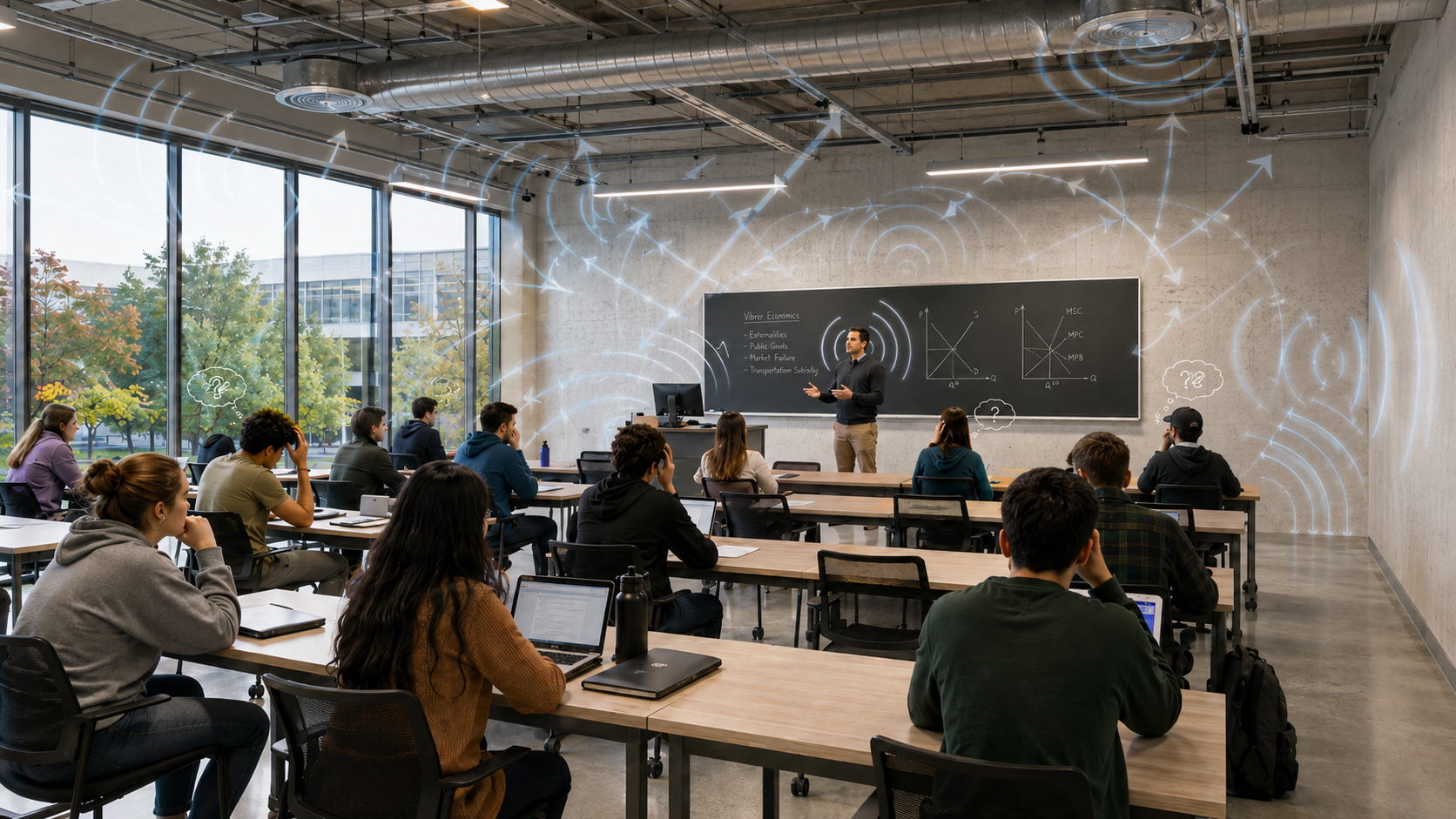
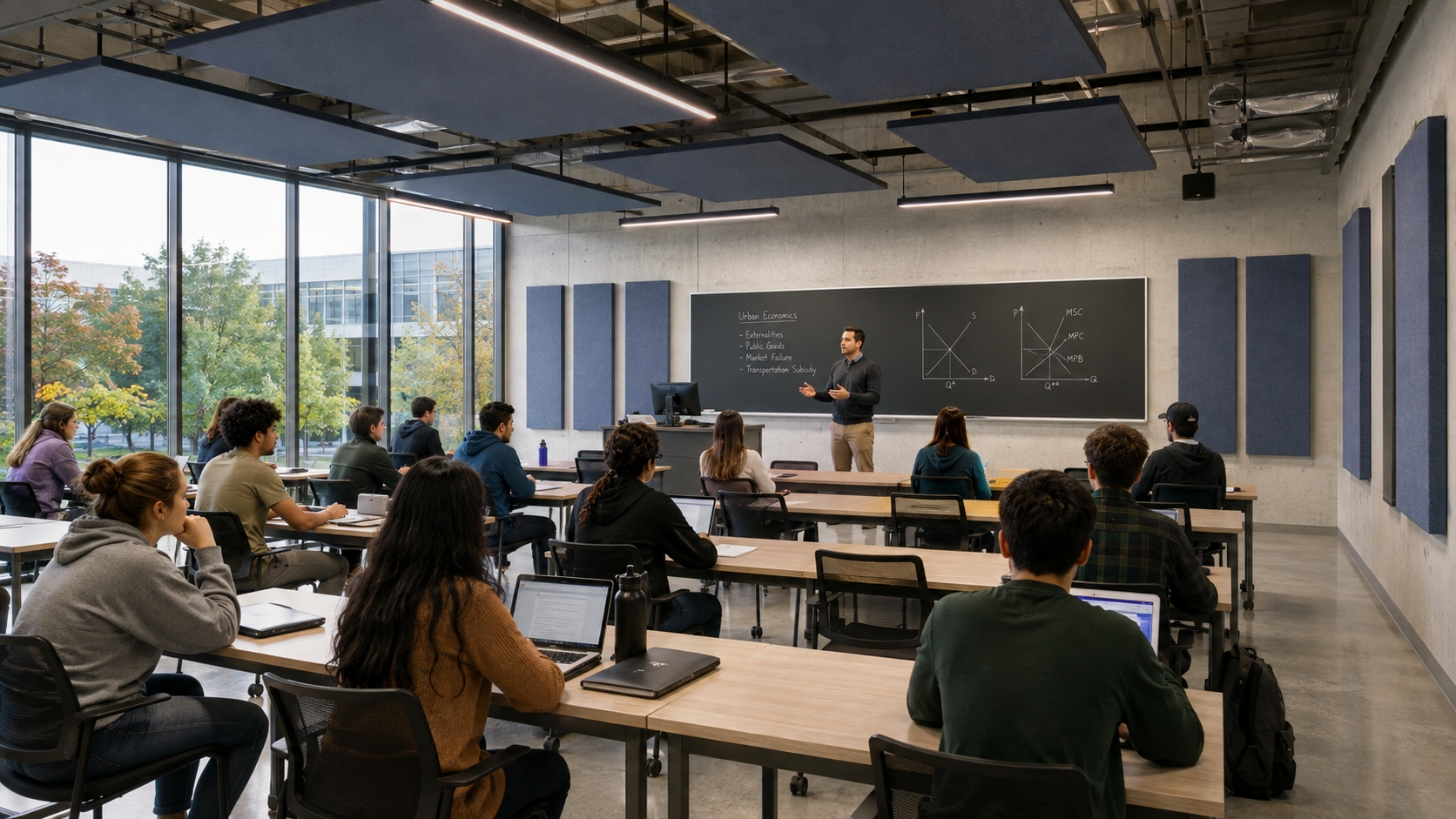
Background noise, reverberation, and sound reflecting off walls, floors, and ceilings, even ambient noise from HVAC systems, can result in students missing key words, making lessons and the concepts communicated by teachers harder to hear and comprehend.
Naturally, that makes it harder to focus.
This is supported by Cognitive Load Theory, which posits that constantly filtering out noise to decipher what’s being said impacts students’ working memory capacity. Meaning they have less mental energy to process and retain information.
By contrast, when excess sound is absorbed and ambient noise levels are lowered, distractions are reduced. The result: a calmer environment (sonically and in terms of student behaviour), allowing students to focus more effectively, extending their attention spans, and encouraging participation overall.
Acoustic considerations in open and collaborative spaces
Good acoustic design isn’t just about making spaces quiet; it’s about enhancing engagement and participation, reducing fatigue, and supporting teachers and students by fostering an environment that promotes focus and comfort.
To do so, it’s necessary to deal with several common acoustic challenges, namely:
- Diminishing reverberation from hard, sound-reflecting surfaces that muddy speech and increase ambient background noise.
- Isolating sections of classrooms to ensure that conversations from groups of students don’t interfere with another group’s work.
- Controlling reverberation and flutter echoes from parallel walls with targeted absorption.
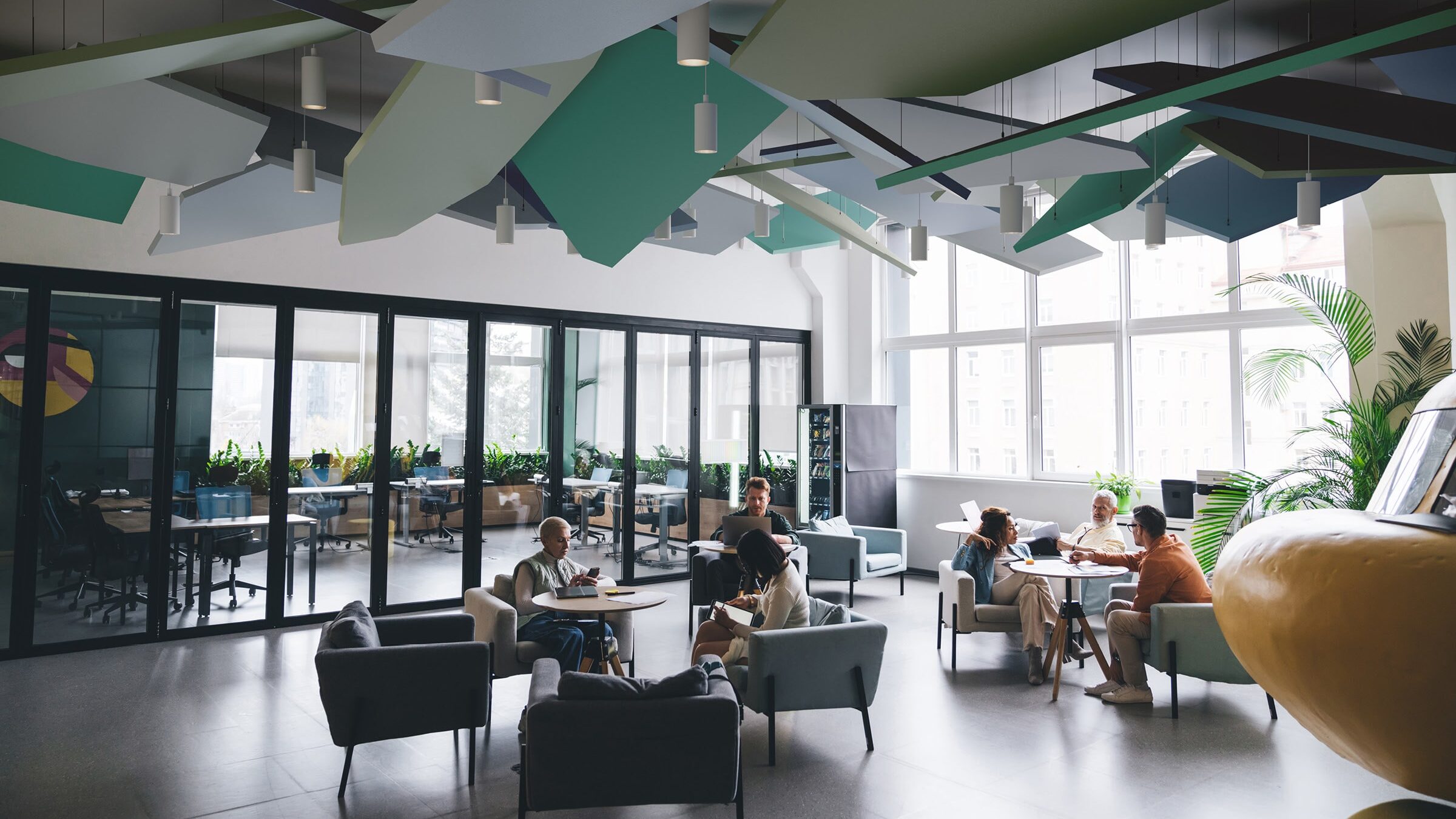
Open-plan, collaborative environments are also particularly susceptible to the Lombard Effect, the tendency for people to raise their voices to overcome ambient noise, which in turn raises ambient background noise.
Additionally, it’s important to ensure noise from outside the classroom and from critical infrastructure like HVAC systems and other machine-generated sounds doesn’t interfere with concentration inside.
Designing educational spaces that feel comfortable and welcoming
Managing open and collaborative spaces requires a strategic approach to acoustics.
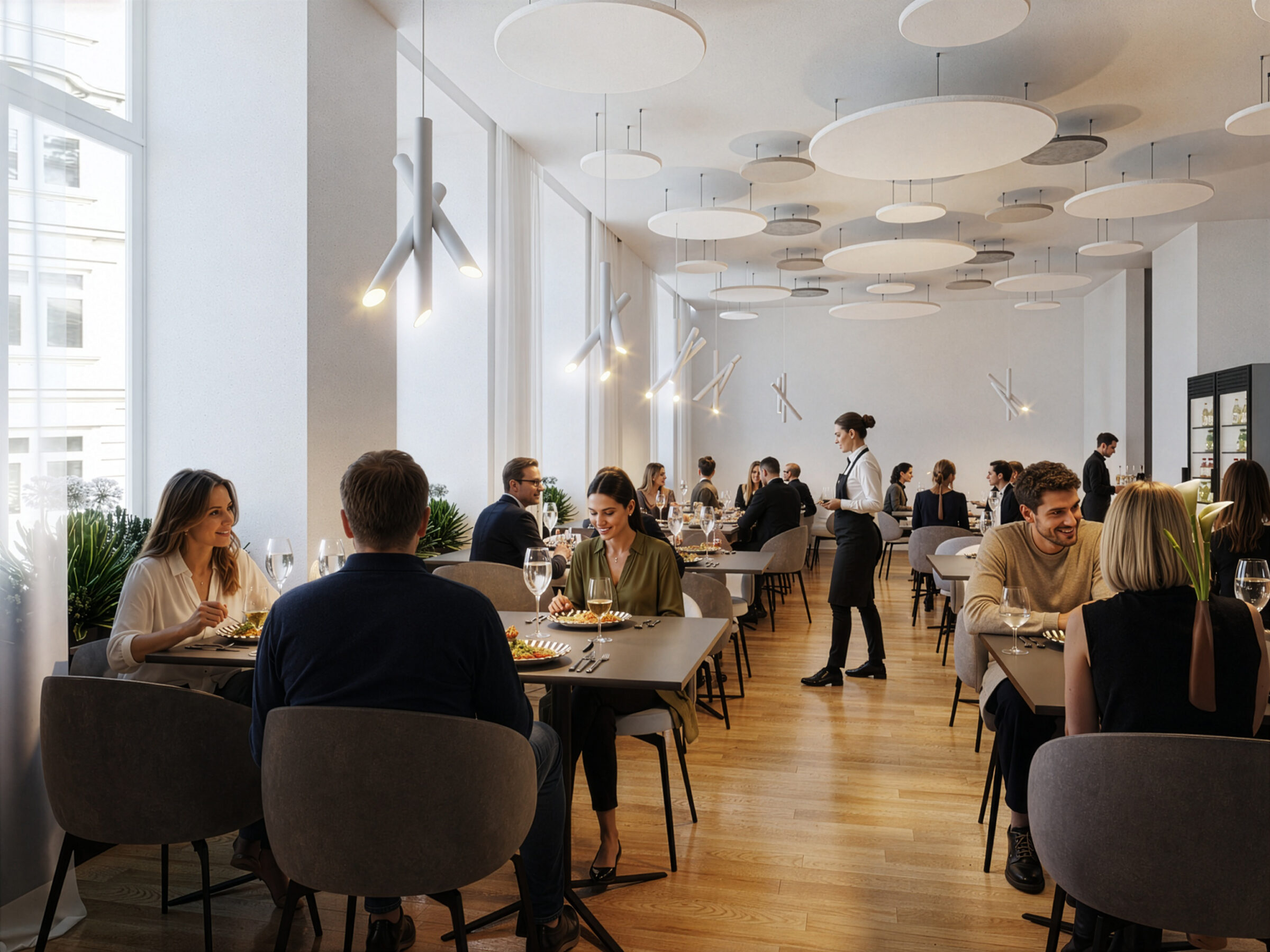
The goal isn’t to ‘deaden’ the entire space; it’s to implement solutions that absorb sound close to the source. For example, providing localized absorption with ceiling-mounted clouds over areas where individual groups work, and ceiling-suspended baffles to absorb sound that would otherwise travel between work zones.
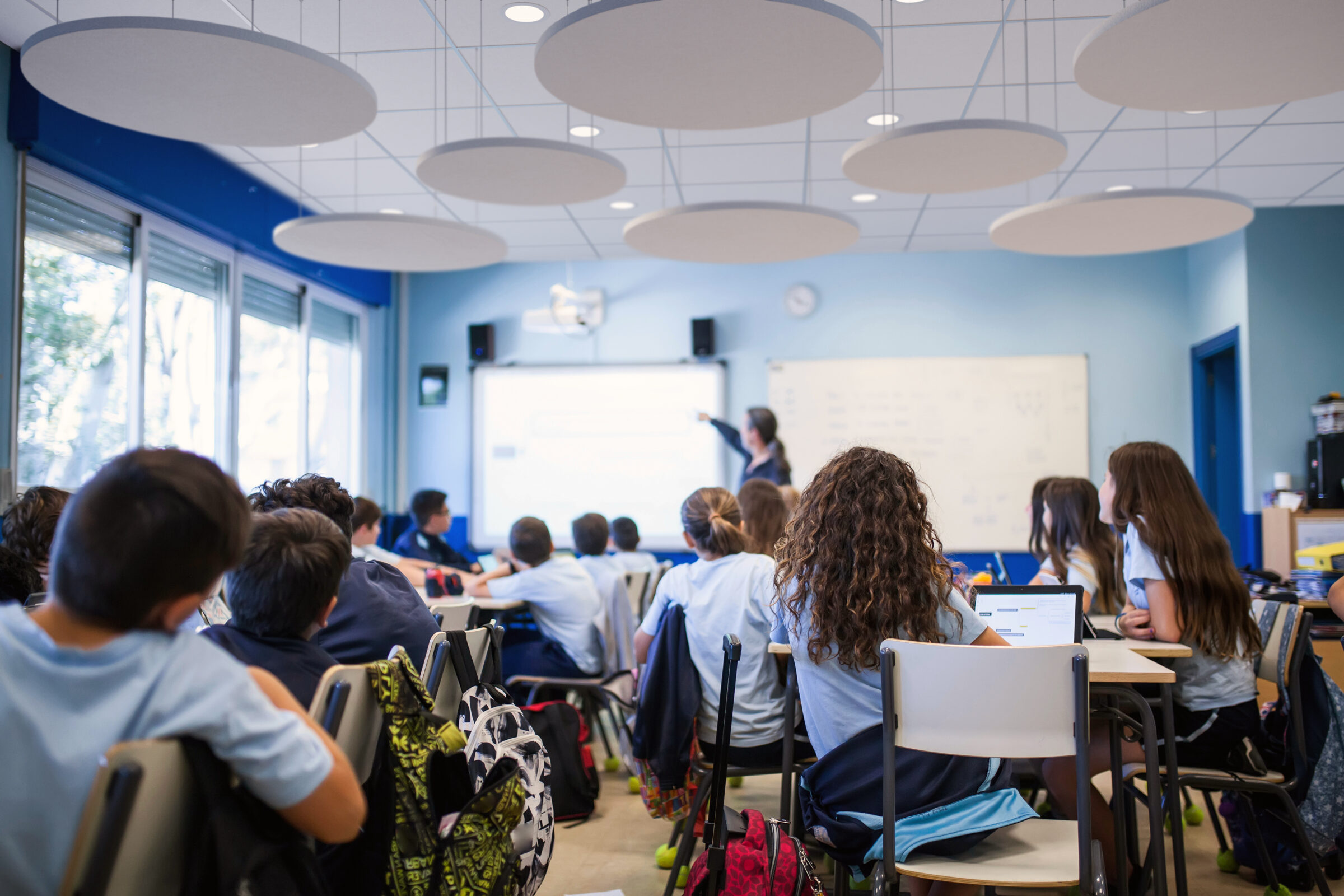
An entirely ‘dead’ space isn’t necessarily comfortable, participatory, or dynamic. Like temperature and even comfortable seating and desks, sound needs to be managed and balanced because:
- High noise levels are linked to stress and anxiety (for both students and teachers), triggering an often subtle but continuous stress response.
- Balanced-sounding spaces encourage active participation and support inclusivity by addressing the needs of students who may be hearing impaired, neurodivergent, have learning disabilities, or Auditory Processing Disorder (APD).
- Implementing acoustic treatments turns chaotic environments into calm, supportive ones, where teachers don’t have to raise their voices, students don’t have to strain to hear the lesson, and everyone can remain focused longer with less effort.
The importance of speech intelligibility in learning environments
Hearing someone speak isn’t the same as understanding what they’re saying. In untreated spaces, certain sounds (consonants such as f, p, s, and t) and word endings become difficult to distinguish.
Subtle nuances in tone become lost. Research shows poor acoustics can lead students to miss up to 1 in 4 words; a situation that becomes even more problematic the farther students are from the teacher.
This issue becomes significantly worse in larger rooms for students seated farther from the teacher because sound loses energy as it travels; in assembly halls for elementary and high school students, and post-secondary lecture halls, for example.

Whether students are developing their vocabulary in early childhood educational settings or attempting to grasp complex, often unfamiliar concepts and terminology in higher educational institutions, speech intelligibility is critical for:
- Reducing brain fatigue and increasing students’ ability to retain details, rather than constantly struggling to interpret muffled or indistinct speech to fill in the blanks.
- Eliminating the need for teachers to constantly raise their voices, which, according to some studies, makes them 32 times more likely to suffer vocal strain than other professionals. Potentially leading to chronic vocal fatigue, absenteeism, and burnout.
One common misconception is that deploying sound reinforcement systems (microphones and loudspeakers) can solve this issue on its own. Acoustic treatments absorb sound, helping ensure clarity throughout the entire space. Without them, amplifying speech tends to create more noise via reflections and reverberation.
Acoustic challenges in modern higher education and shared spaces
The more prevalent poor acoustics are throughout a school or campus, the more everyone using it is exposed to uncomfortable and, frankly, unhealthy sound levels.
In untreated spaces with hard surfaces, sound reflections can result in an RT60(reverberation time) of up to 1.9 seconds, far greater than the recommended 0.7 seconds.
In multi-purpose spaces, a lack of sound absorption will negatively impact some, if not all, of the activities a space is used for.
In large transitional spaces (hallways, entryways, high-ceilinged atriums), noise becomes a constant stressor.
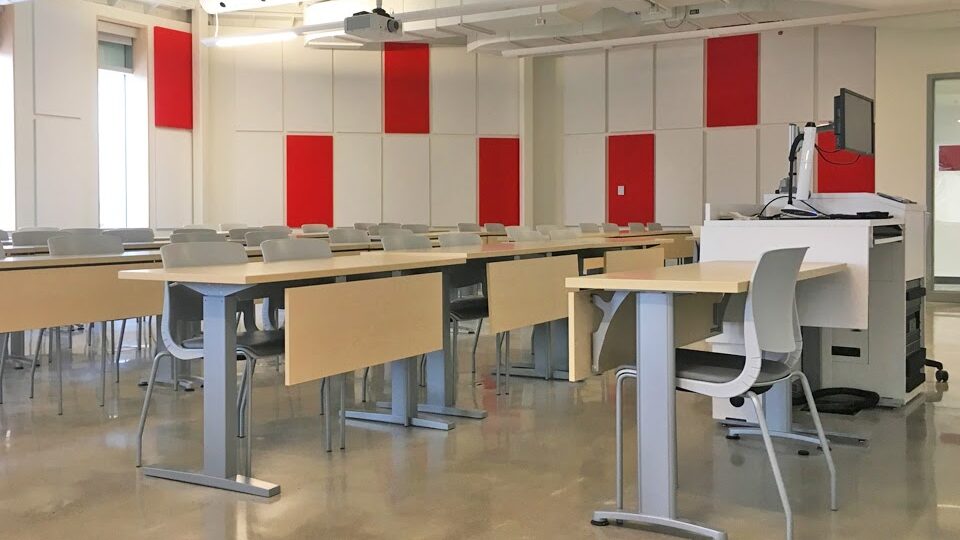

The more complex a space (a room with high ceilings, a large footprint, multiple hard surfaces, and/or curved walls), the more difficult it is to control sound overall and the greater likelihood of loud hot spots and uneven sound throughout.
Having said that, the solution doesn’t have to be complex, nor does it have to detract from the atmosphere.
Balancing aesthetics, flexibility, and occupant experience
Modern acoustic solutions come in a wide range of formats. They offer multiple ways of controlling sound and, increasingly, are designed and constructed to enhance, rather than detract from, the architecture, design palette, and experience of users, among them:
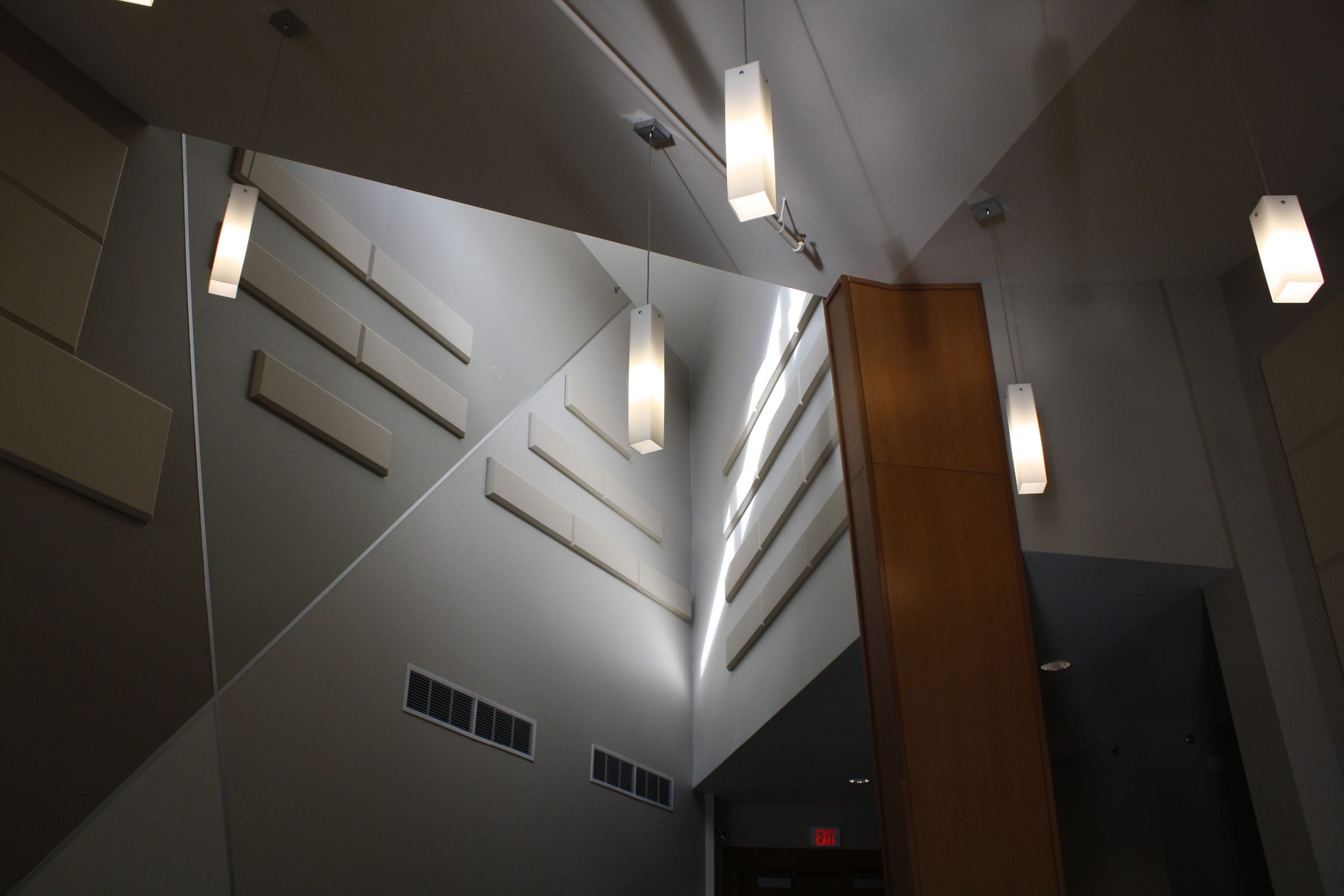
Wall-mounted acoustic panels that diminish primary reflections.
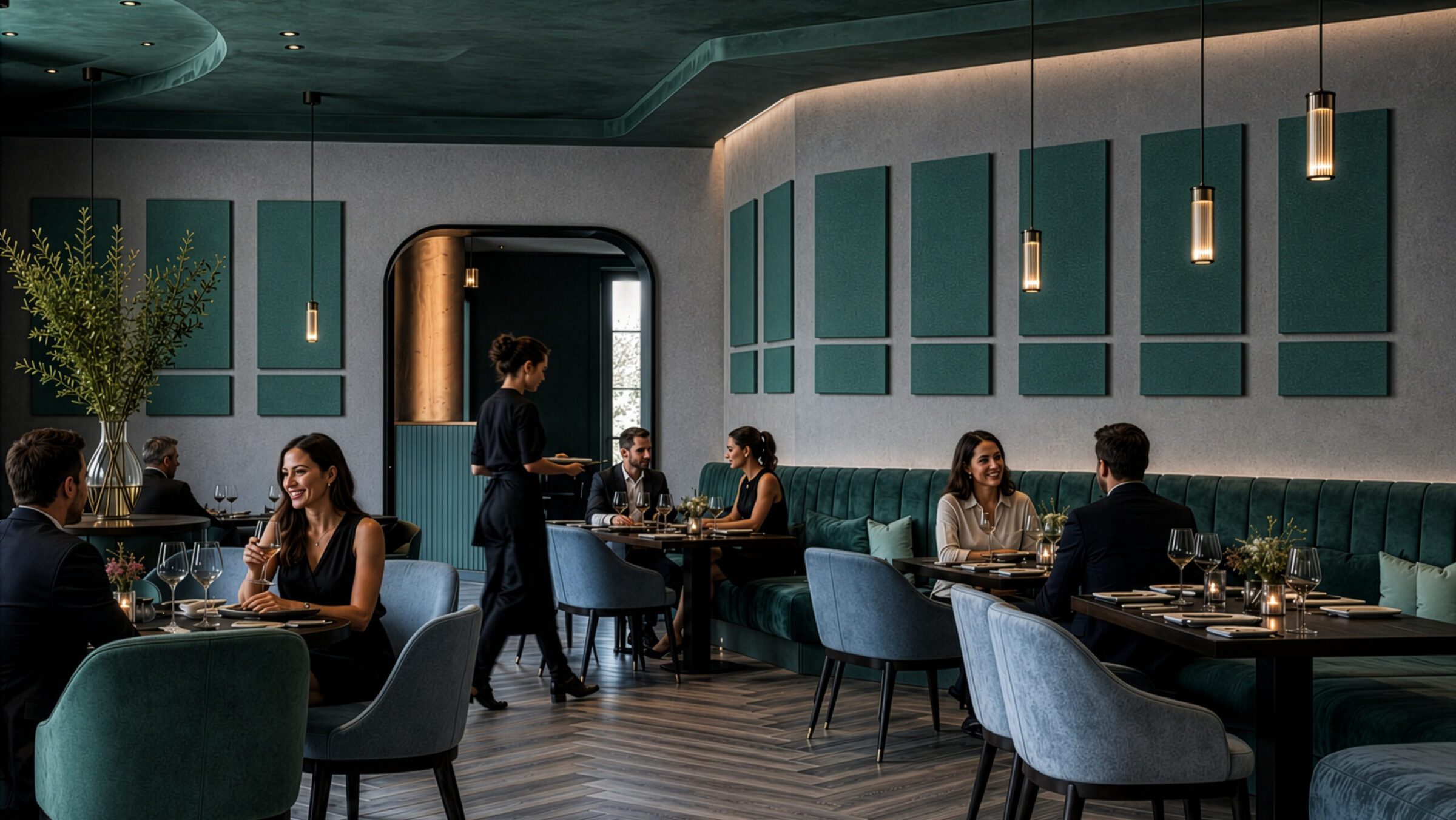
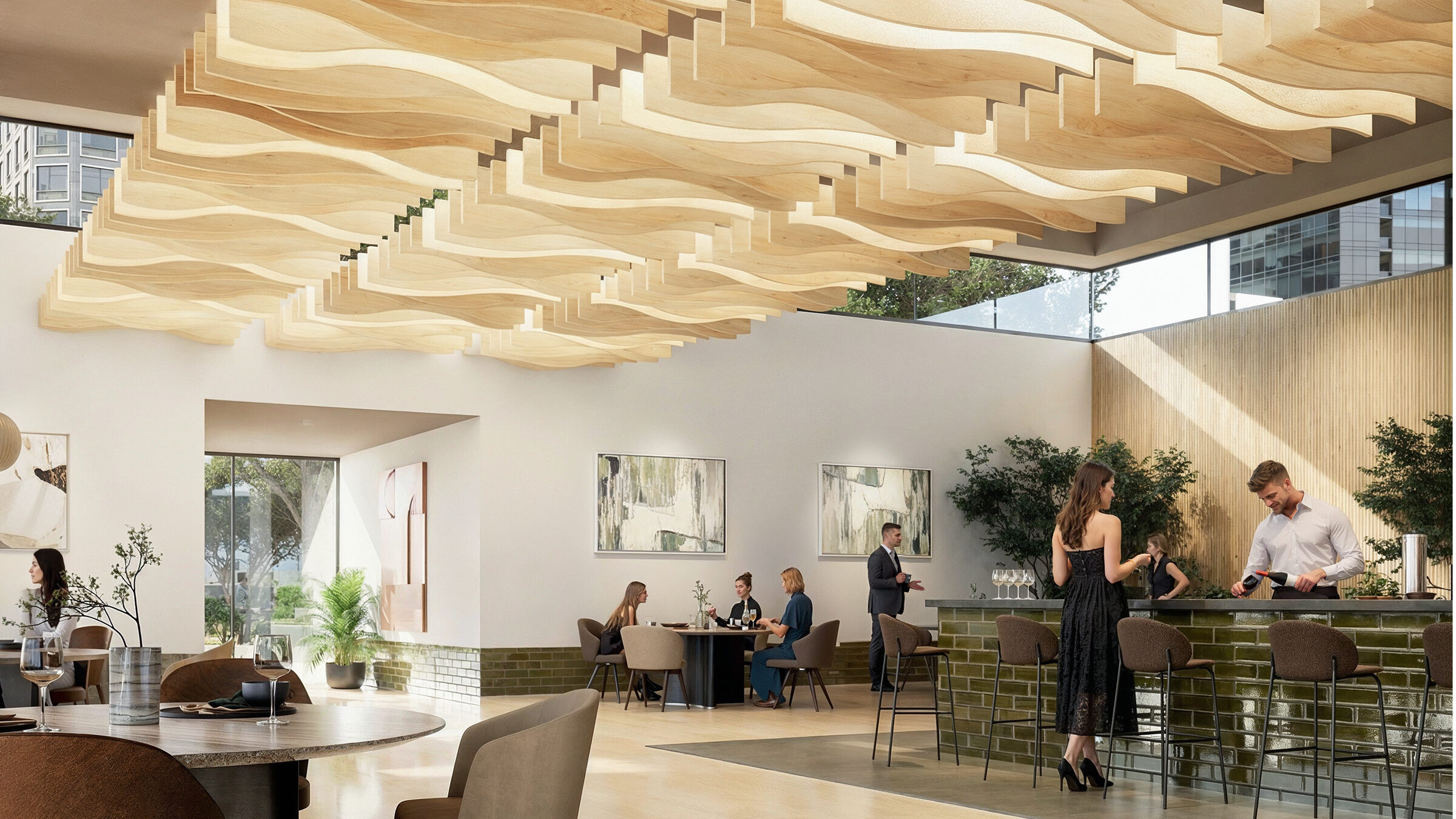
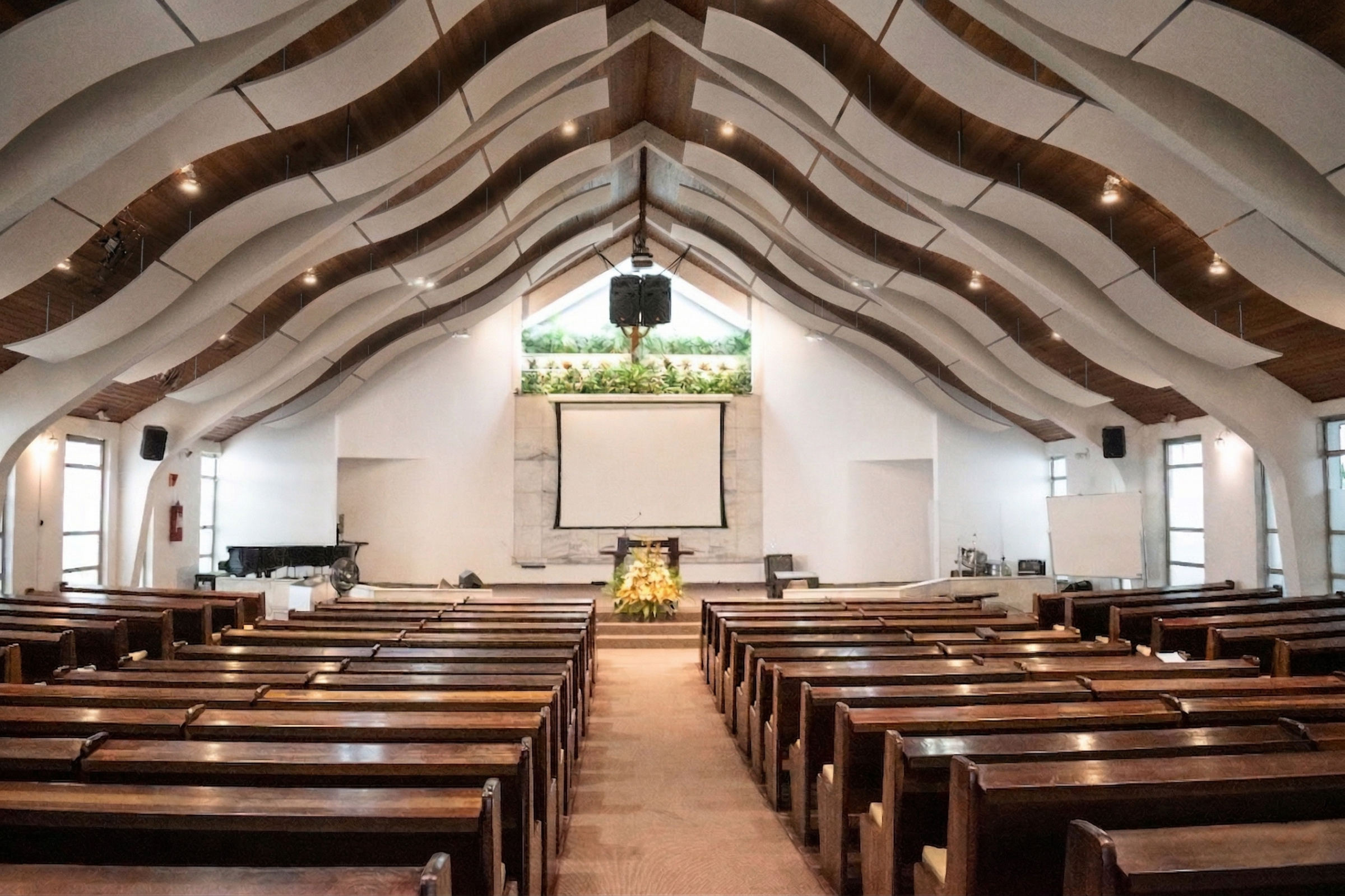
Ceiling-mounted and ceiling-suspended clouds and baffles that eliminate vertical reflections common in high-ceilinged spaces like lecture halls and common areas.
Eco-friendly, highly flexible treatments constructed of PET sustainably sourced from recycled plastics.


Glass wool panels (commonly used in critical listening spaces like recording studios and performing arts spaces) that offer absorption across the entire frequency range.
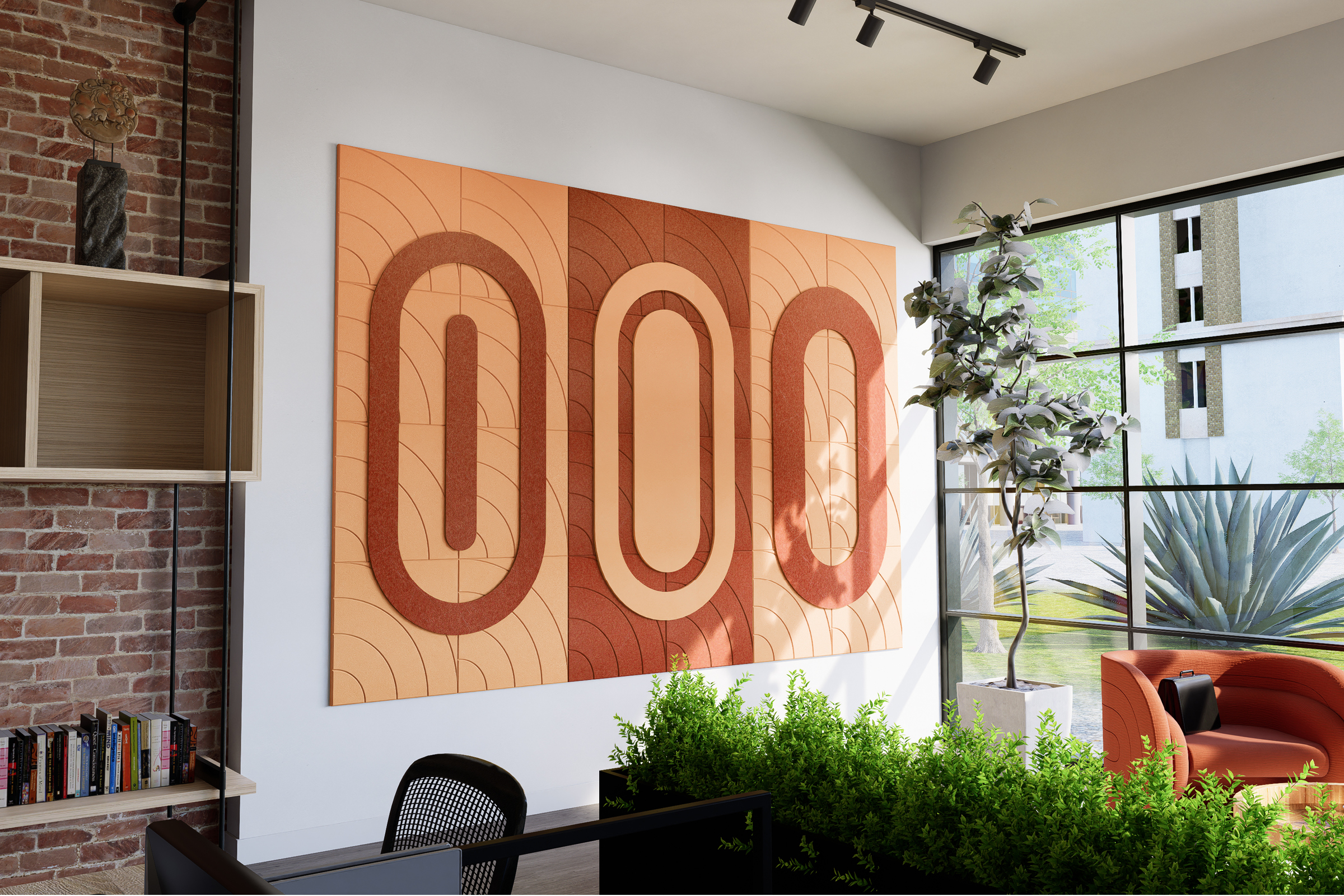
Customizable, paintable, printable, and precision CNC-cut and/or carved panels in a range of sizes, designer colours and finishes that can be mixed and matched and deployed to address a wide range of acoustic issues without compromising aesthetics.

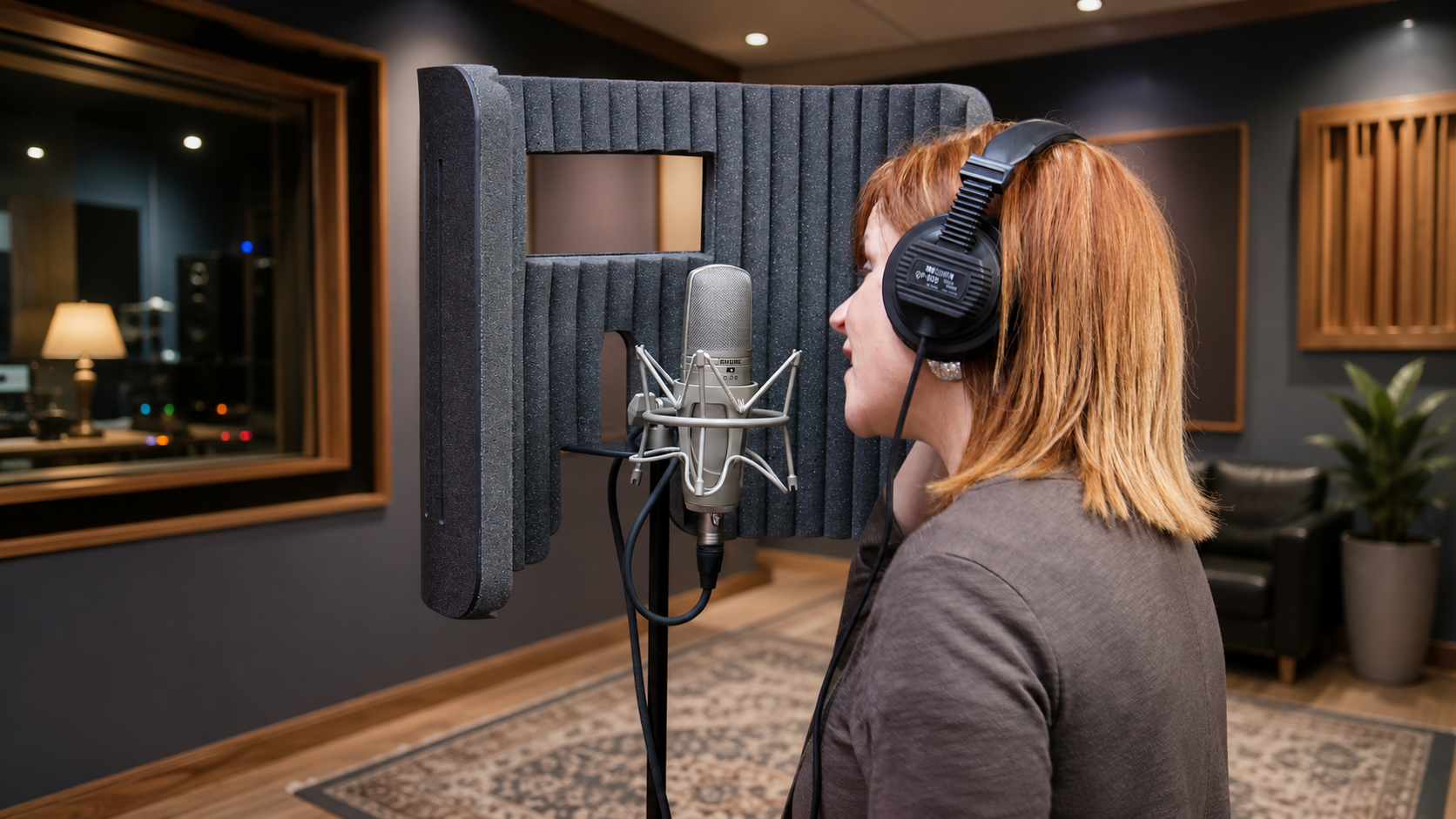
Even reconfigurable mobile isolation solutions for spaces where music, student-created content, and recording and/or streaming of lessons for reference or remote study are captured.
Deep solutions for supporting deep focus, long-term
Gone are the days when one-size-fits-all treatments and bland, utilitarian fixes barely stood up (visually or functionally) over time were the only option.
There are plenty of examples, but perhaps one of the most compelling is a comparison between worn or sagging industrial acoustic ceiling tiles and a modern analogue such as Primacoustic’s GridWay line.
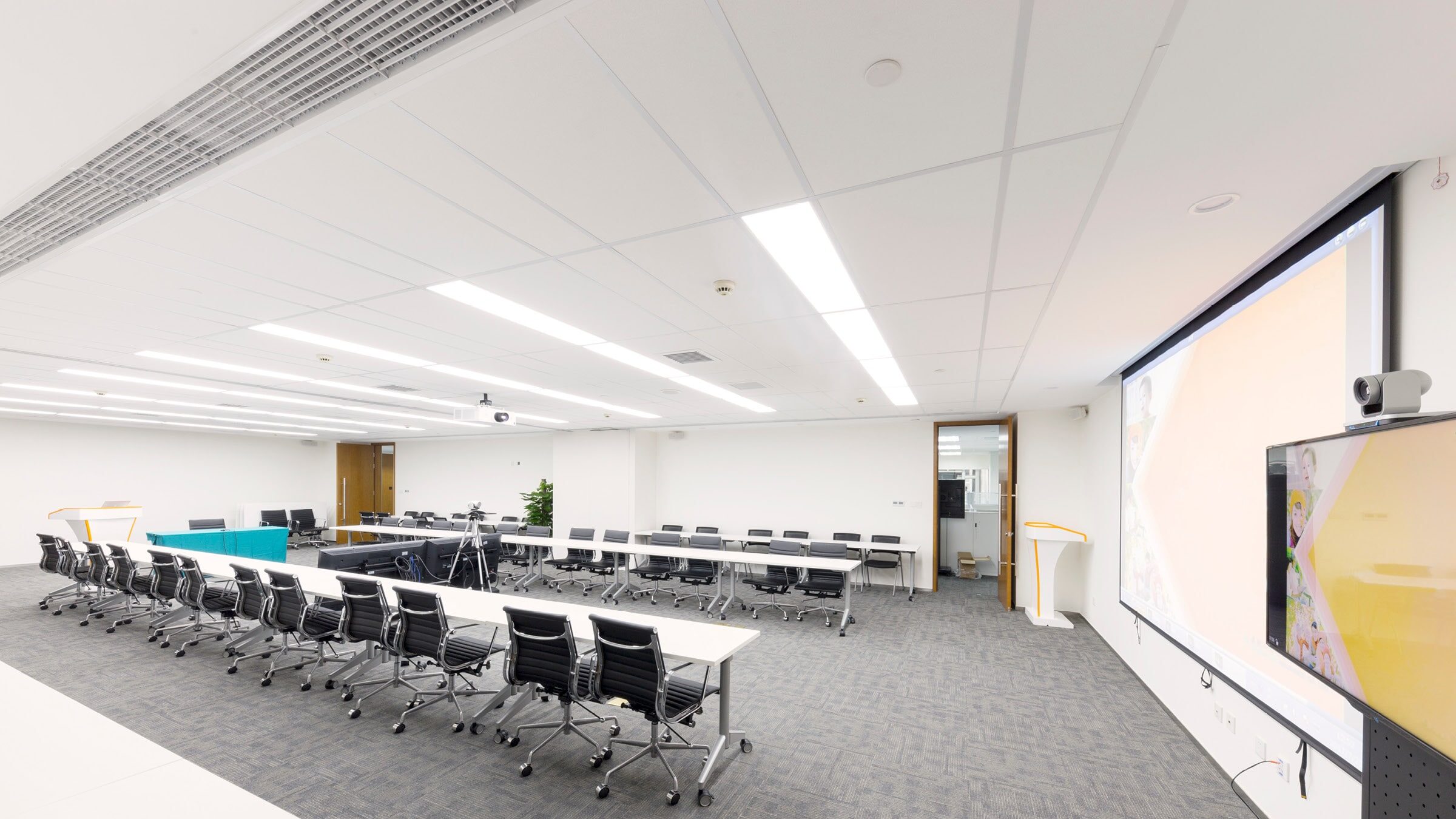
Just as professional-grade solutions offer better value and greater efficacy in studios, workspaces, and critical listening spaces where DIY treatments were the norm, they provide economical, long-lasting, and high-performance acoustic control for educational settings.
Among them: high-performance panels like our Broadway Series and full London Room Kits, fabric-wrapped TelaScapes, and highly customizable Archadia line and our EcoScapes sound control system of panels, clouds, Blades, Dimensional Baffles, and Contour Carved Panels.
How Primacoustic Helps
As a partner for creating spaces that support communication, concentration, comfort, and occupant experience through integrated acoustic design, Primacoustic takes a hands-on, ears-on approach, offering:
- Comprehensive lines of best-in-class acoustic systems and treatments
- Innovative, eco-friendly options designed to speak your design language and contribute to LEED and WELL Certification
- Customizable and colourful options to enhance aesthetics and control sound
- Dedicated customer service from conception to completion
- Personal consultation & online tools to help plan your acoustic design
Whether you’re starting from scratch or retrofitting an existing educational setting – large or small, we’re here to help.
Explore Primacoustic Solutions
Further Reading:
Acoustic Panels for Classrooms