Achieving clean, precise cuts is essential for a professional finish when installing EcoScapes Acoustic Panels. Whether you’re trimming edges, working around outlets, or creating custom shapes, the right tools and techniques make all the difference. This guide covers everything you need to know: tool recommendations, preparation tips, and step-by-step cutting methods.
1. What Are EcoScapes Acoustic Panels?
EcoScapes PET (Polyethylene Terephthalate) Acoustic Panels are made from compressed, recycled plastic fibres. They are:
- Lightweight yet dense, providing excellent sound absorption.
- Absorbent but firm, similar to thick felt.
- Easy to cut by hand or with power tools.
- Crack-free, unlike wood or MDF.
2. Recommended Tools
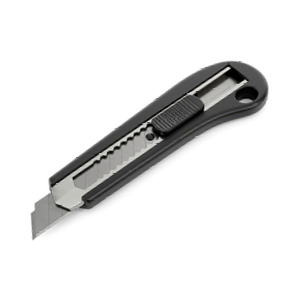
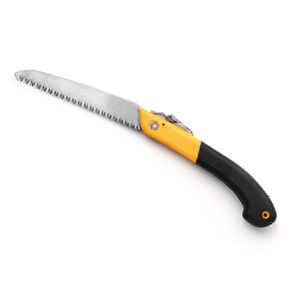
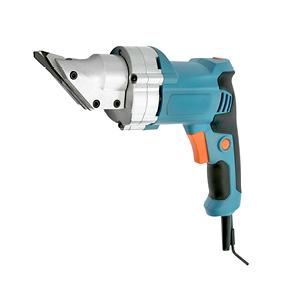
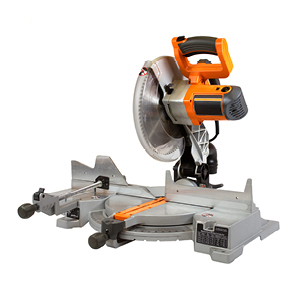
| Tool | Best For | Tips |
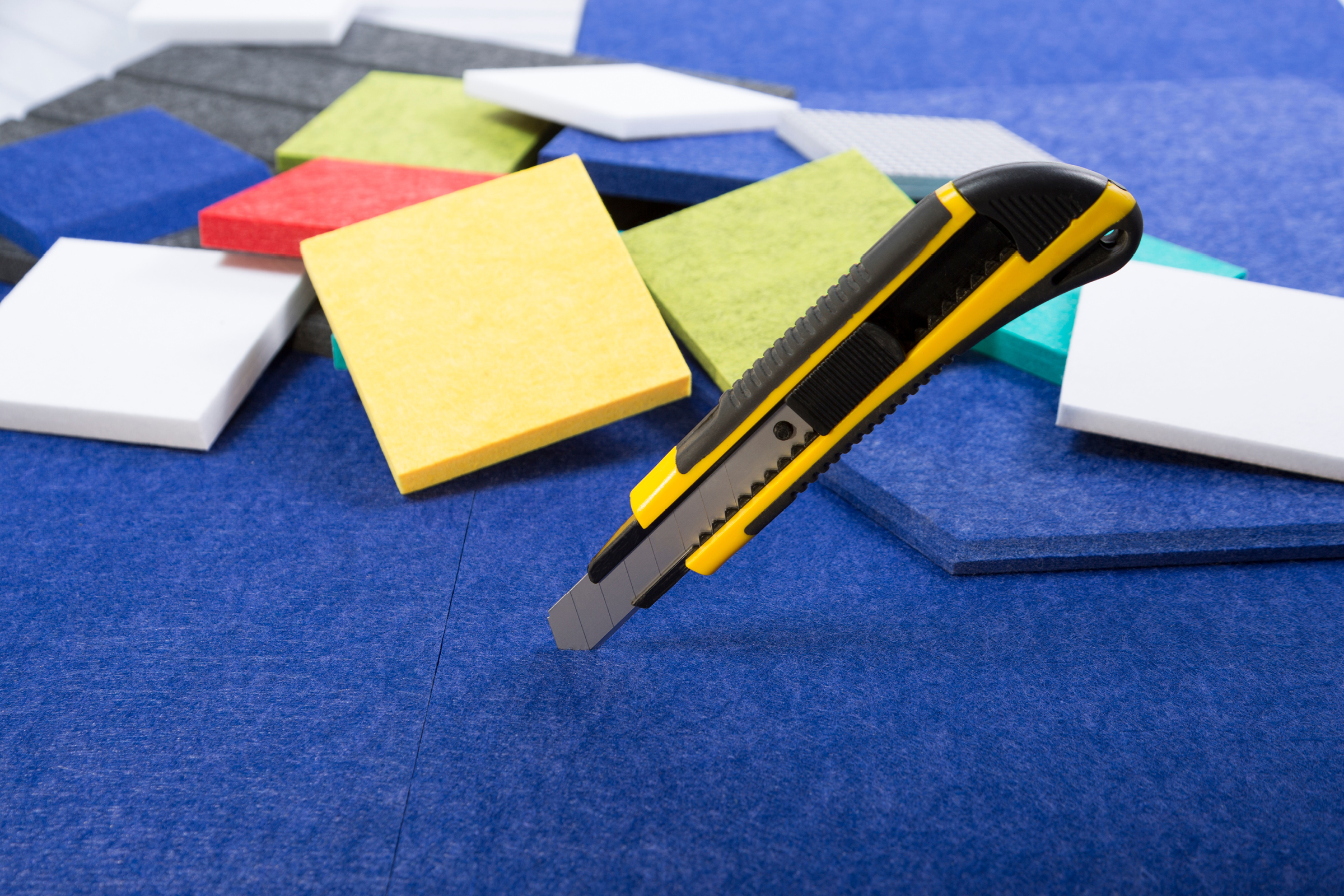
| Utility knife / Box cutter | Straight cuts, small adjustments | Use a sharp blade; score multiple times along a ruler |
| Carpenter’s knife | DIY or small projects | Works best for 9–12 mm thick panels |
| Electric cutter | Large installations | Produces smooth edges with minimal fraying |
| Jigsaw or circular saw | Complex shapes, bulk cutting | Use fine-tooth blades; cut at medium speed |
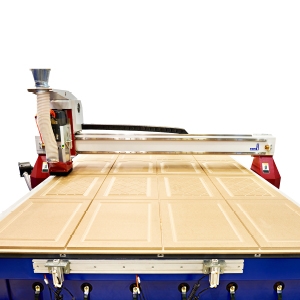
| CNC cutting machine | Custom designs or logos | Ideal for precise, industrial-level cutting |
3. Step-by-Step Cutting Guide
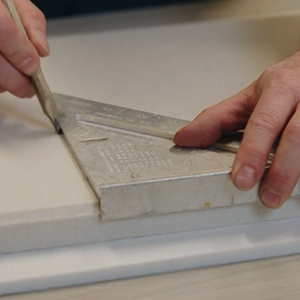
Step 1: Measure and Mark
- Use a metal ruler or straightedge for straight lines.
- For curves, use templates or a compass.
- Mark with a fine-tip marker or chalk for visibility.
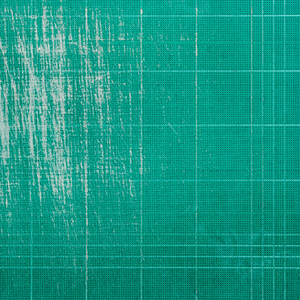
Step 2: Secure the Panel
- Place the panel on a flat, stable surface.
- Use clamps to prevent movement.
- Protect your workspace with a cutting mat or plywood sheet.
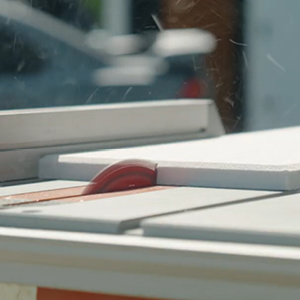
Step 3: Make the Cut
- Thin panels (≤12 mm): Use a sharp utility knife. Score 3–5 times until cut through.
- Thick panels (>12 mm): Use a jigsaw or hot knife. Cut slowly and steadily.
Step 4: Smooth and Finish
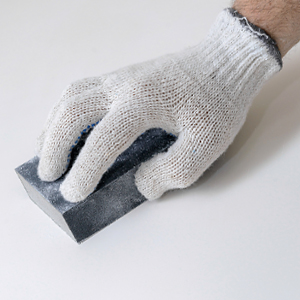
- Use 400-grit sandpaper to smooth frayed edges.
- If you want to add a bevel to cut edges, an electric cutter is recommended for a clean, refined look.
4. Common Mistakes to Avoid
- Using dull blades → uneven edges and fibre pulling.
- Cutting too quickly → jagged edges or overheating.
- Skipping measurements → visible gaps.

5. Safety Tips
EcoScapes panels are non-toxic and formaldehyde-free, but always:
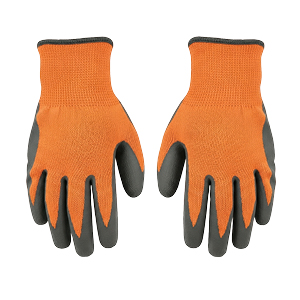
- Wear cut-resistant gloves.
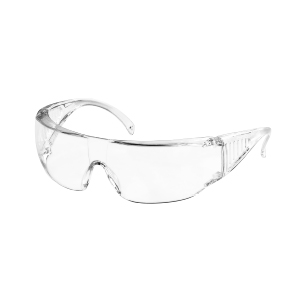
- Use safety goggles with power tools.
- Work in a well-ventilated area.
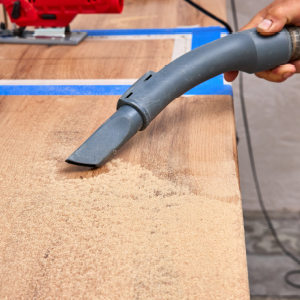
- Keep your workspace clean to avoid dust buildup.
Conclusion
Cutting EcoScapes Acoustic Panels cleanly is straightforward with the right tools and techniques. Whether you’re a DIYer or a professional, precise cutting will leave you with seamless joints and a polished finish.