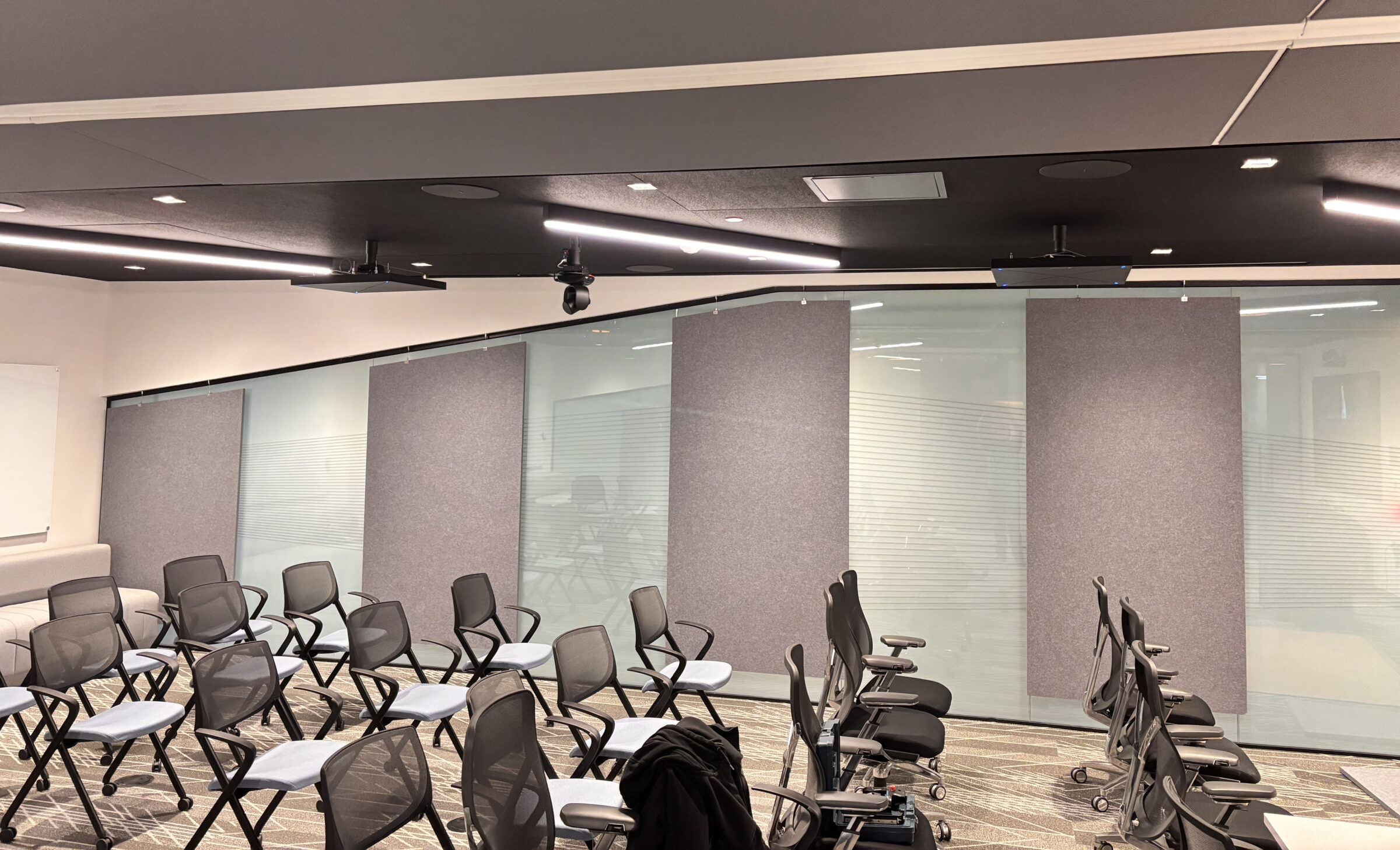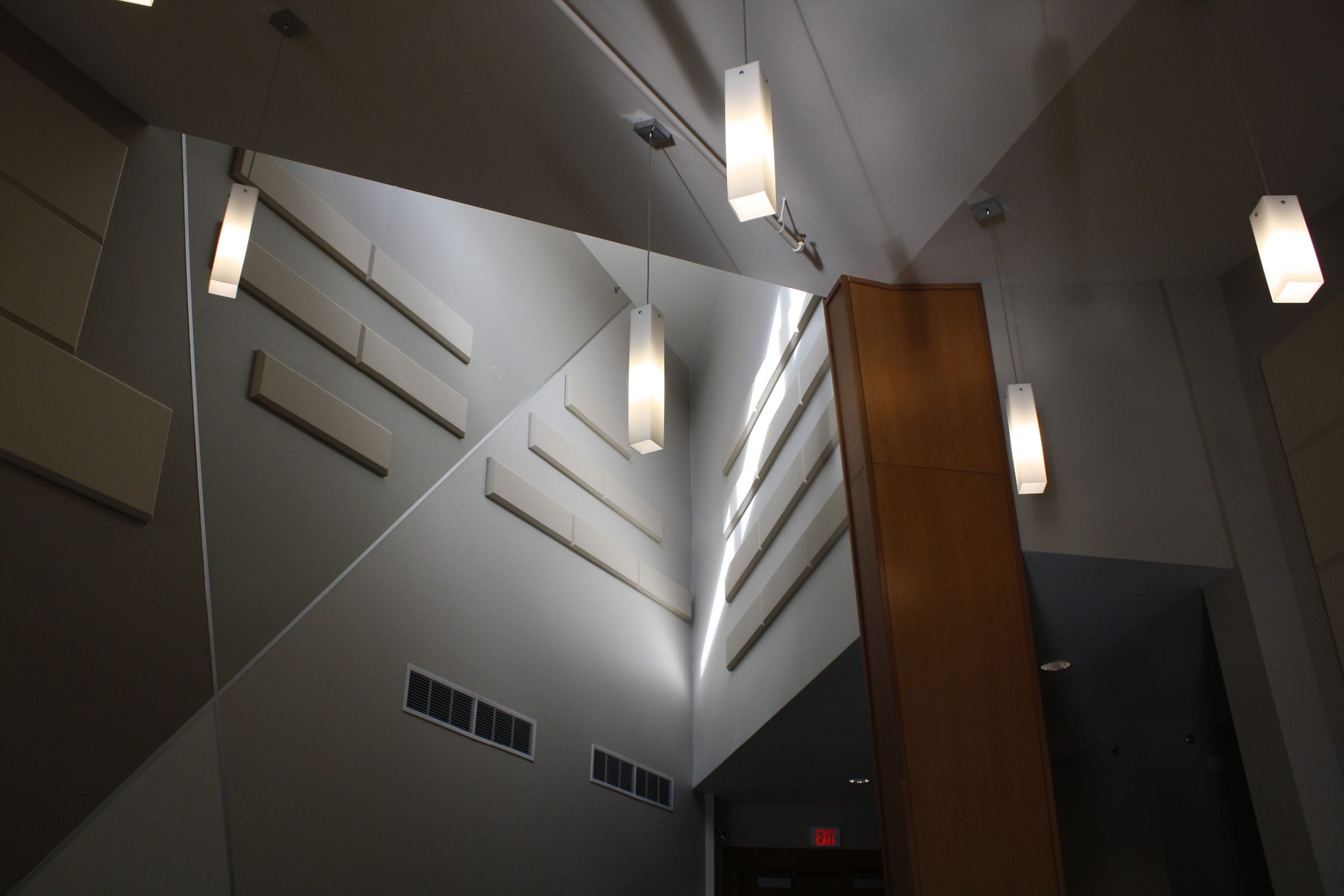
Why Texture Matters More Than We Think
How we perceive a space often depends on the depth of its design. Like a piece of music, the design of a space can be said to be an intentional composition, with a beat, a tempo, and harmonious elements that work together to evoke an emotional response to those who experience it. In design, the textures used are similar to the instruments chosen for a piece of music, and are critical to achieving the desired result.
The Relationship Between Surface Texture and Acoustic Comfort
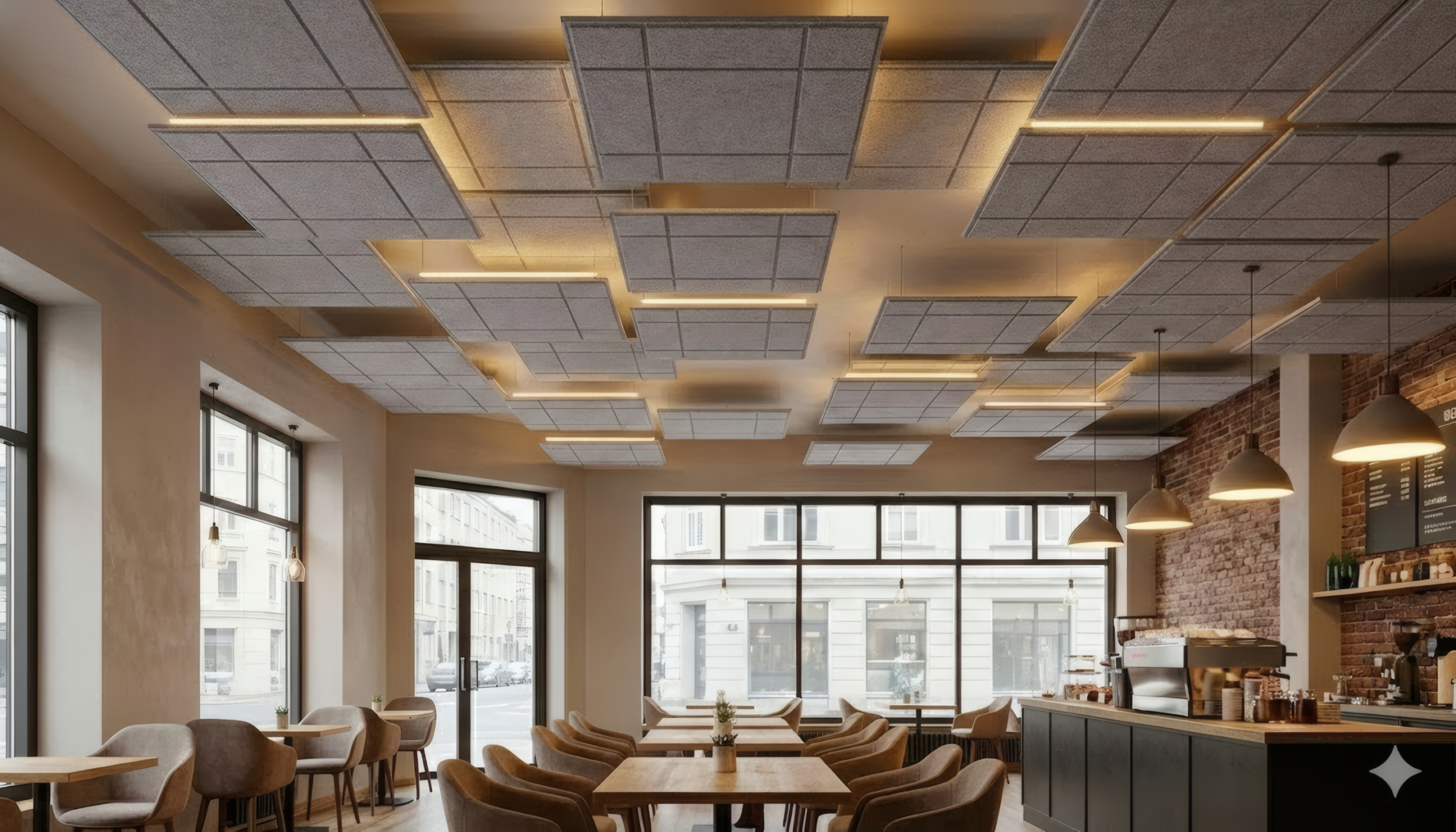
The tactile feel and visual appearance of textures within a space affect its visual identity – its perceived size, flow, rhythm – and add depth and character.
Surface textures also play a role in the acoustics of a space, making acoustic treatments that add texture an ideal means of controlling sound while enhancing the atmosphere of a room. Consequently, the aesthetic and sonic impact of any textures considered for a space should be addressed early in the design process.
Walls Are Active Surfaces, Not Background Elements
When sound hits a hard, flat surface, it bounces off, causing echoes and reverberation that make rooms sound louder, speech harder to understand, and focus harder to maintain, which can be extremely fatiguing. Textured surfaces, by contrast, diffuse sound waves, scattering them in multiple directions and reducing echoes.
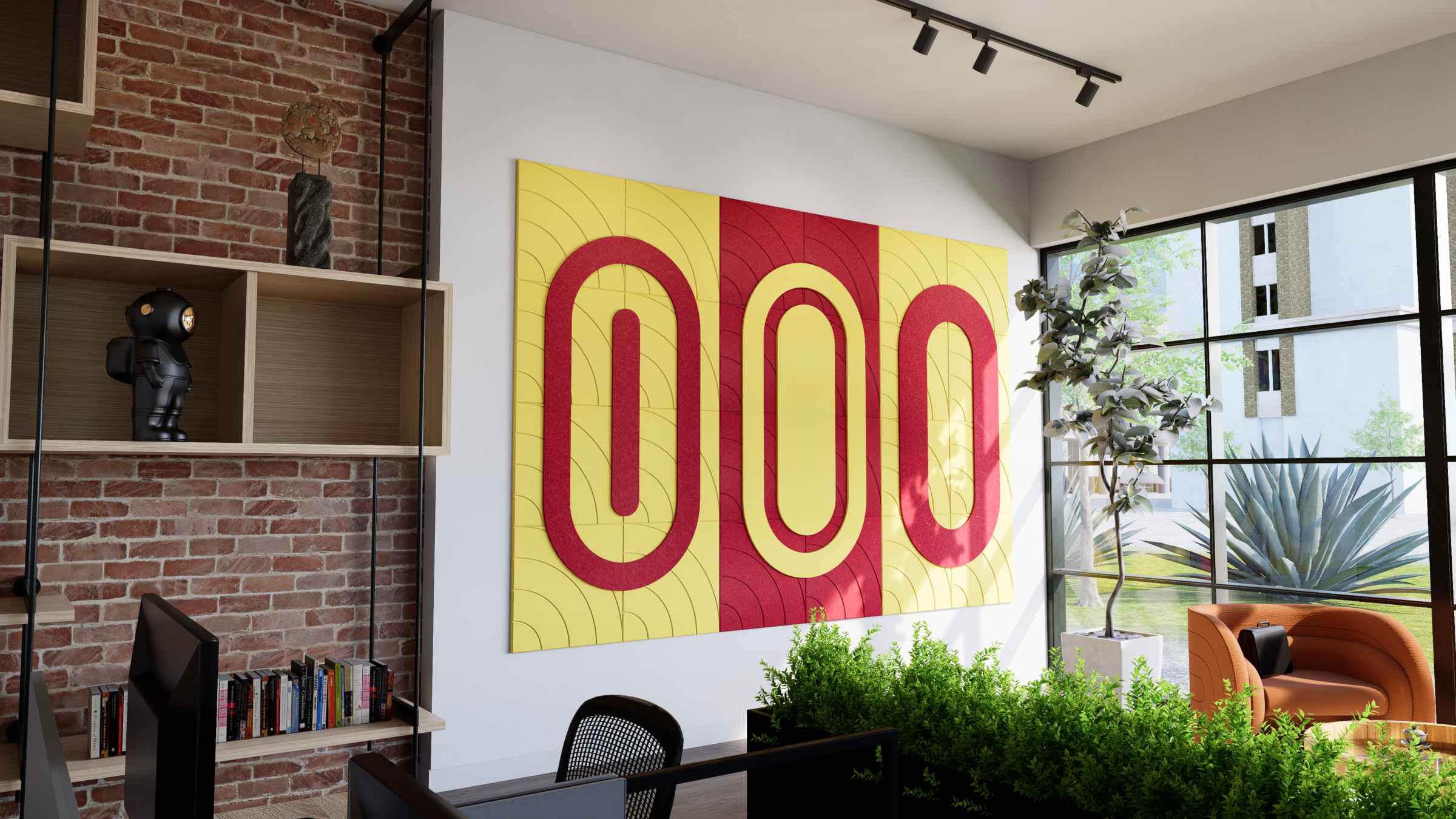
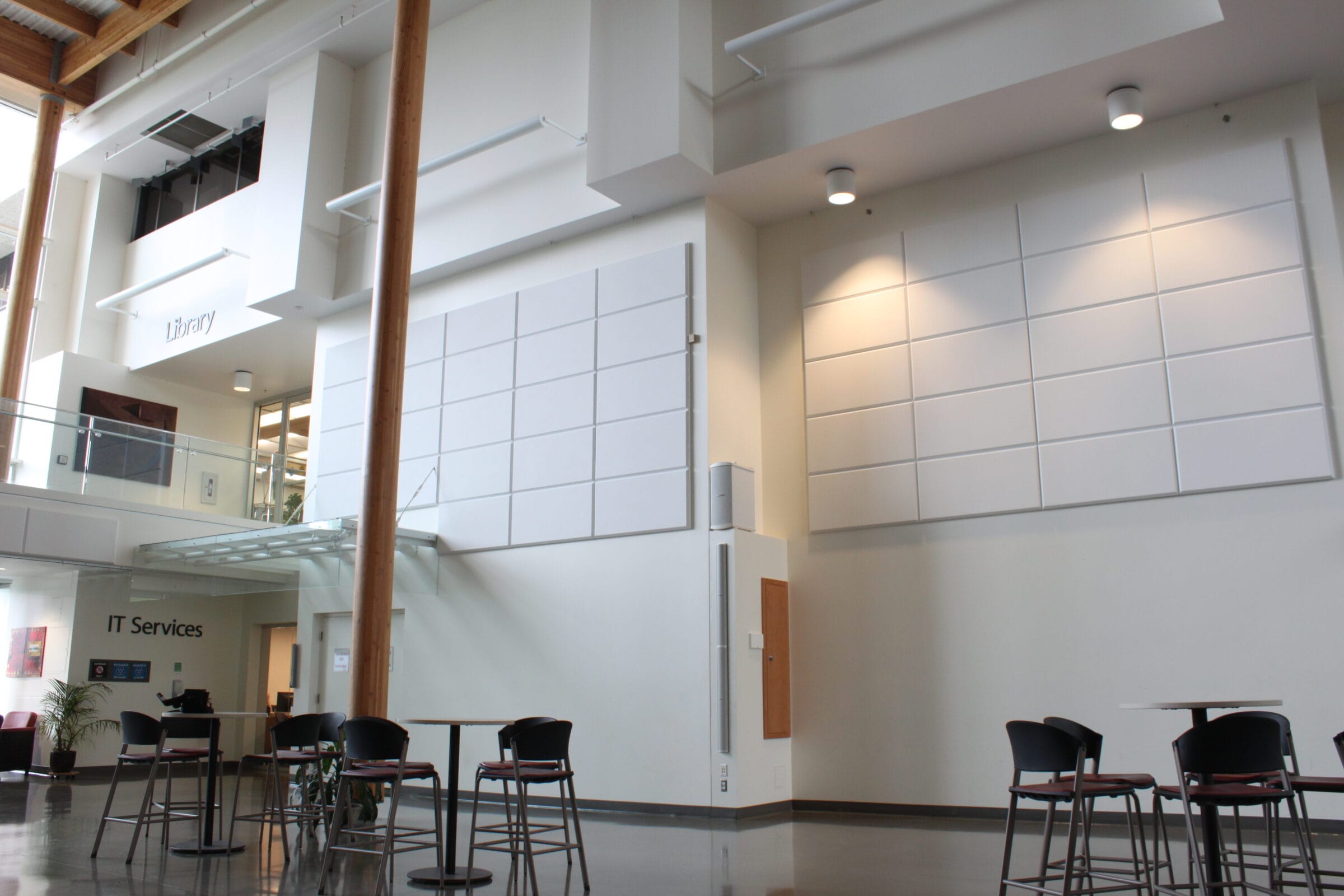
Acoustic panels constructed with PET – a material sourced from recycled plastic bottles – are highly effective in doing so. They can also be engraved or carved to create virtually limitless design-forward feature wall and/or ceiling clouds, which was the driving force behind the creation of Primacoustic’s EcoScapes Contour Panels.
Carved Surfaces: Where Design and Acoustics Intersect
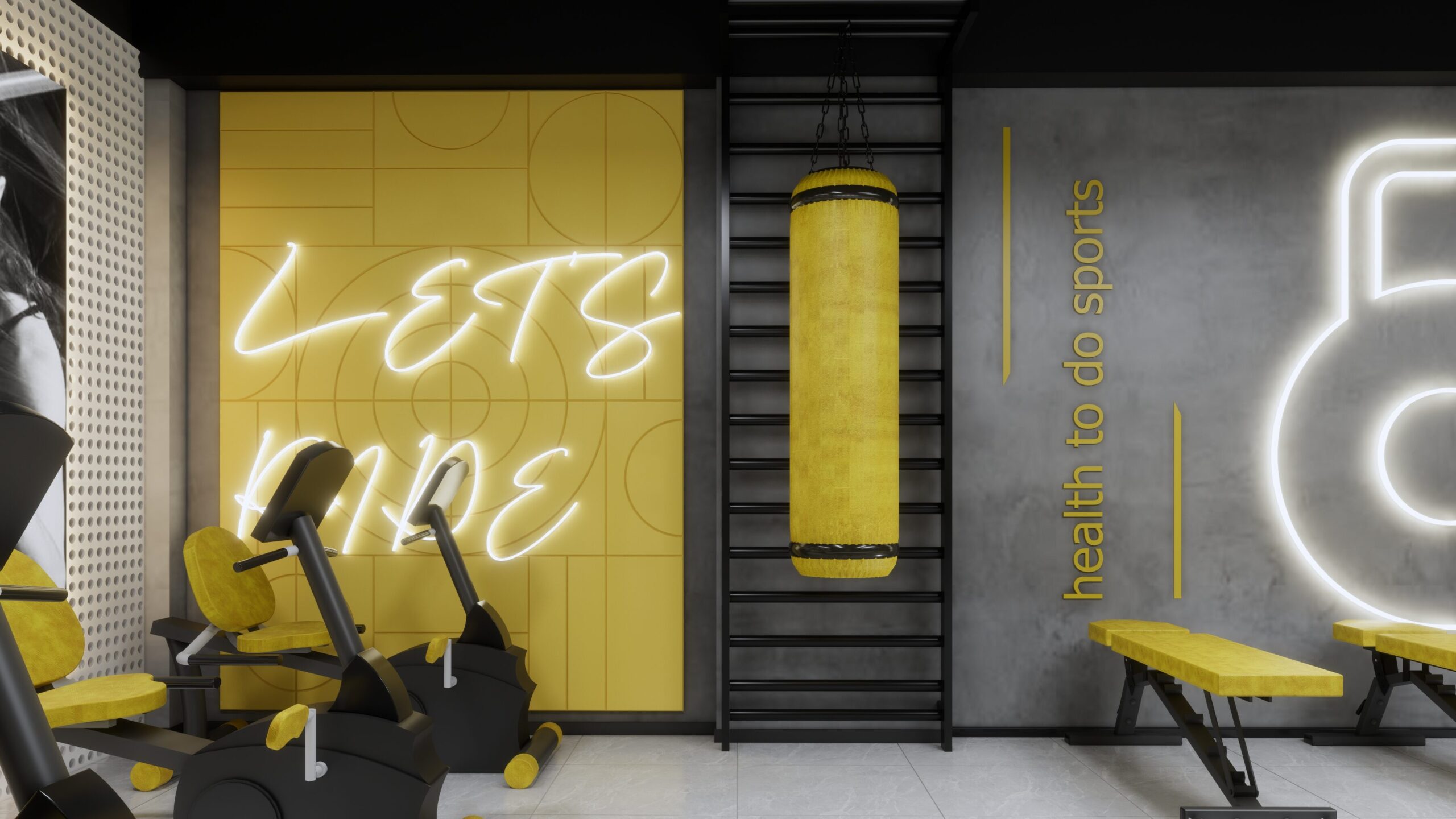
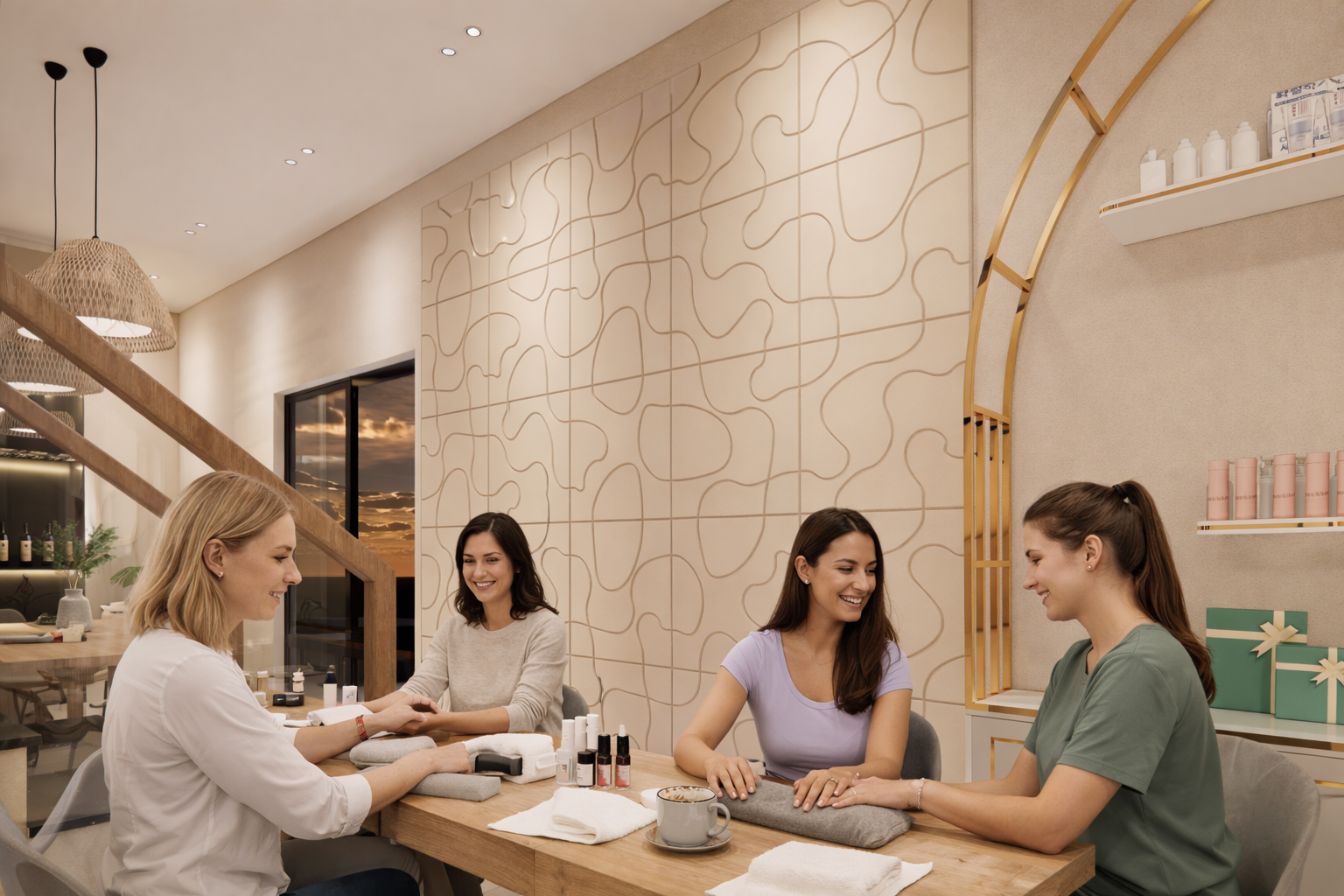
When people think of acoustic panels, they often imagine something intrusive that detracts from a clean, uncluttered aesthetic. But the flexibility of PET allows for the creation of a wall (or ceiling) mounted surface solution that is virtually indistinguishable from the original surface. A solution that is easy to ‘decorate,’ as PET acoustic panels can be manufactured in a wide range of colours, precision-cut to virtually any shape, and custom-carved. Allowing for the creation of striking statement pieces, decorative, or brand-specific designs and patterns that enhance clarity and acoustic comfort, without intruding physically on form or function.
Designing With Acoustics Early (Without Changing the Design Intent)
Flat, uninterrupted, and sonically reflective surfaces, like glass, concrete, and drywall, are common in most rooms. Particularly in modern spaces, where, as a design element, they help provide a visual ‘escape’ – a way of imparting a sense of serenity and order to ease the mental clutter that fast-paced environments and workflows can result in. While they may reflect a desire for simplicity and efficiency, unfortunately, they also reflect a significant amount of sound.
Because walls are often the easiest surface to apply acoustic treatment to without impacting the function of a space, any acoustic treatment format that deepens – rather than diminishes – design intent is particularly effective when considered and conceptualized early in the design process.
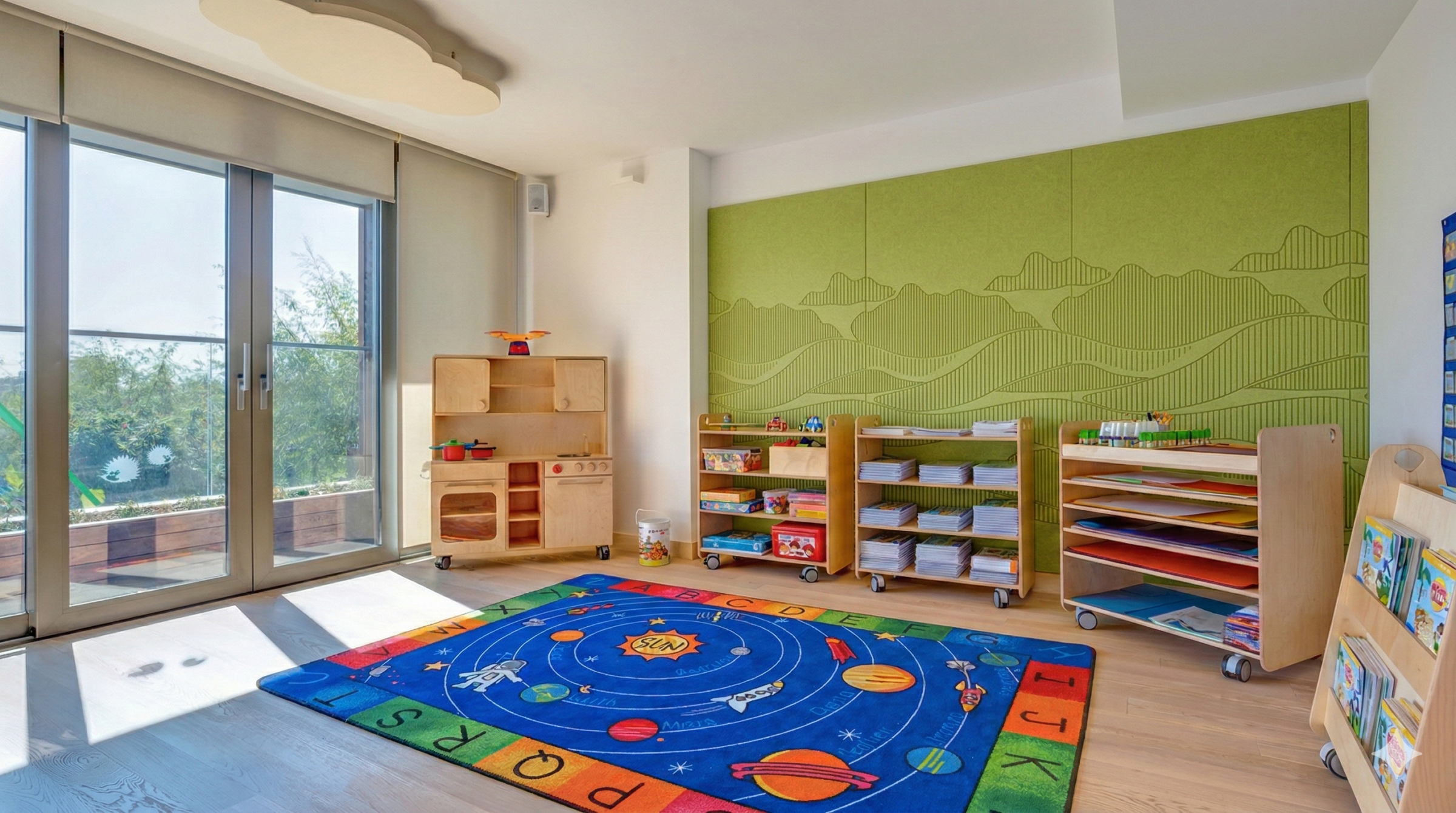
Contour panels are a multi-purpose solution for addressing acoustic and design issues, enabling designers to add depth, manipulate light and shadow to establish a specific beat or visual rhythm, and transform standard two-dimensional surfaces into three-dimensional features that invite comment and interaction. Catching the eye and holding it, inviting users to take in the whole, and/or to follow the engraved features visually (and by touch).
Instead of adding pictures, posters, wall hangings, etc. after the fact in an effort to create an artful arrangement of ‘things,’ carved PET panels allow you to engrave your personality into the space itself – a canvas that can stand alone, and act as a background on which to create an artful arrangement of ‘things.’
In essence, Contour is an effective and functional design and acoustic surface treatment that can be used to create a sense of space or intimacy, and a rhythm or ‘beat’ that complements a space’s usage: making any space feel as unique as the work, play, or worship taking place within it. Allowing designers to balance elements to create a harmonious composition that anchors a space without dragging it down and transforms plain, functional boundaries into intentional features, all while reducing the need to add additional, visible acoustic fixes later that may not align as seamlessly with your design.
Spaces That Look Good and Feel Right
Recognizing that acoustic comfort is as critical to a user’s experience as how a space looks, feels, and functions – designing with aesthetics and sound in mind – leads to more usable, welcoming spaces. And, just as with musical composition, in design, considering the beat, rhythm, feel, and the type of instrumentation required to achieve the desired result, sonically and emotionally, is best undertaken early on.